
Cultural influences of casinos shaping our entertainment landscape
The Evolution of Casinos and Their Cultural Impact
Casinos have a long and storied history that stretches back to ancient civilizations, where games of chance were often played in informal settings. Over the centuries, as societies evolved, so too did the nature of gambling. The emergence of formalized casinos in Europe during the 17th century marked a significant cultural shift. They became not only places for gaming but also social hubs where individuals from various walks of life would converge, fostering a unique cultural atmosphere that blended entertainment, fashion, and social networking. The recent rise of online platforms, such as the Spinpin United Kingdom casino, highlights how these venues continue to adapt and thrive in the modern age.
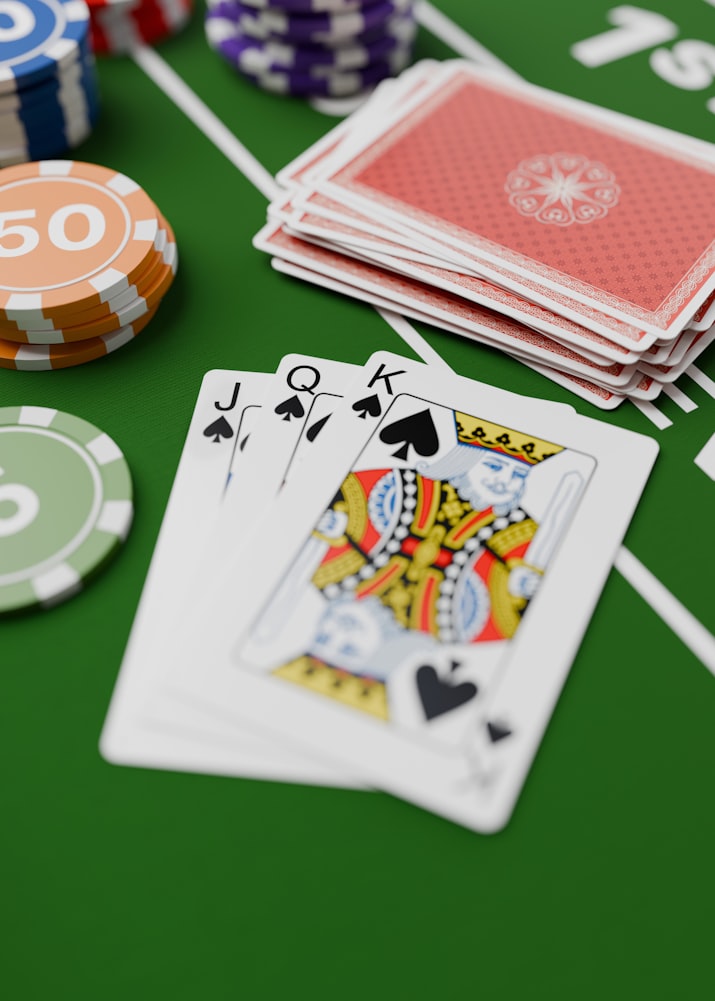
With the rise of Las Vegas as a gambling capital in the mid-20th century, the casino experience began to be further commercialized and glamorized. This shift not only changed the perception of casinos as mere gambling venues but also positioned them as integral parts of popular culture. Movies, music, and literature began to feature casinos prominently, shaping public perception and altering the entertainment landscape. The vibrant shows, luxurious accommodations, and nightlife associated with casinos started to create a unique cultural identity, intertwining gambling with other forms of entertainment.
In recent years, the emergence of online casinos has expanded this cultural influence even further. The convenience of accessing games from home has revolutionized the way people engage with gambling. Online platforms have incorporated elements from various entertainment mediums, such as interactive gameplay, live dealers, and gamification features. This shift has made casinos a part of everyday life for many, influencing cultural norms around gambling and entertainment in the digital age.
Casinos as Social and Cultural Hubs
Casinos have transformed into vibrant social spaces where individuals come together not just for gambling, but for a range of entertainment options. The architecture and design of modern casinos often incorporate theaters, restaurants, and bars, making them multi-faceted destinations. This evolution has allowed casinos to cater to diverse audiences, attracting not only gamblers but also families and tourists seeking leisure activities. As a result, casinos often play a central role in local economies, driving tourism and creating jobs in various sectors.
The cultural significance of casinos is further underscored by the events and festivities they host. From concerts featuring world-renowned artists to culinary festivals showcasing top chefs, casinos frequently serve as venues for high-profile events. These gatherings not only enhance the entertainment experience but also foster a sense of community among attendees. The blending of gambling with other forms of entertainment creates an atmosphere where social interactions thrive, leading to lasting memories and connections.
Moreover, casinos often reflect the cultural values of the regions in which they operate. For instance, establishments in Las Vegas might emphasize opulence and extravagance, while those in places like Macau might focus on blending traditional elements with modern gaming. This cultural representation enhances the overall experience for visitors, allowing them to engage with local customs and traditions while enjoying their time at the casino. The interplay between gambling and cultural identity continues to shape how casinos are perceived and experienced by diverse audiences.
The Influence of Media and Popular Culture
The portrayal of casinos in media has a profound impact on public perceptions and attitudes towards gambling. Movies such as “Casino” and “Ocean’s Eleven” romanticize the casino experience, often depicting it as glamorous and thrilling. These cinematic representations have not only entertained audiences but have also shaped societal views regarding gambling as a form of entertainment. The dramatization of high-stakes betting and the allure of casino life have contributed to the mystique surrounding these establishments.
Television shows, documentaries, and reality series that feature casinos further reinforce this cultural influence. Programs like “High Stakes Poker” and “The World Series of Poker” have brought the excitement of gambling into homes around the world, making it more accessible and appealing. They have helped demystify the world of casinos, showcasing not only the glamour but also the strategies and skills involved in gambling. This has encouraged a broader audience to explore the casino environment, both online and offline.
Social media platforms have also played a crucial role in shaping the cultural landscape of casinos. Influencers and gamers showcase their experiences, offering followers a glimpse into the excitement of casino life. This digital engagement creates a sense of community, where users share tips, strategies, and personal stories. By highlighting the entertainment aspects of casinos, social media contributes to a more positive perception of gambling, reinforcing its place as a legitimate form of entertainment in contemporary culture.
Responsible Gambling and Cultural Considerations
The cultural influence of casinos extends beyond entertainment; it also raises important considerations regarding responsible gambling. As more individuals engage with gambling in various forms, it becomes crucial to foster an understanding of the risks involved. Educational initiatives and awareness campaigns are vital in addressing the potential negative consequences of gambling addiction. Casinos are increasingly taking a proactive role in promoting responsible gambling practices, ensuring that players are informed and protected.
Cultural attitudes towards gambling can significantly impact how responsible gambling initiatives are perceived. In some societies, gambling may carry a stigma, leading to reluctance in addressing addiction issues openly. Conversely, in cultures where gambling is widely accepted, there is often a more relaxed approach to discussing the risks. This divergence highlights the need for tailored strategies that consider cultural nuances while promoting responsible gambling practices across diverse communities.
Furthermore, the integration of technology into gambling experiences has allowed for innovative solutions to enhance responsible gambling efforts. Tools such as self-exclusion features, spending limits, and real-time alerts can help players maintain control over their gaming habits. As casinos continue to evolve, prioritizing player welfare alongside entertainment will be essential in shaping a positive cultural narrative around gambling.

SpinPin: A Modern Approach to Online Gaming
SpinPin represents a new wave of online casinos that merge traditional gambling with contemporary entertainment values. Established in 2023, SpinPin offers a comprehensive gaming experience tailored for UK players. With an impressive selection of over 4,000 games, including slots, live tables, and instant games from top providers, SpinPin caters to a diverse audience looking for excitement and variety in their gaming endeavors.
The platform is designed with user experience in mind, featuring a user-friendly interface that simplifies navigation. Players can easily access games, promotions, and account features, creating an engaging environment that encourages prolonged play. SpinPin’s generous welcome bonus of up to 550% and 450 free spins is aimed at enticing new players while offering ongoing promotions to retain regular users, demonstrating a commitment to enhancing the gaming experience.
Furthermore, SpinPin prioritizes responsible gambling practices, ensuring that players can enjoy their gaming experience in a safe and secure environment. With transparent payment processes and an emphasis on responsible play, SpinPin not only embraces the entertainment aspects of online gaming but also recognizes the importance of player welfare in shaping the future of gambling culture.